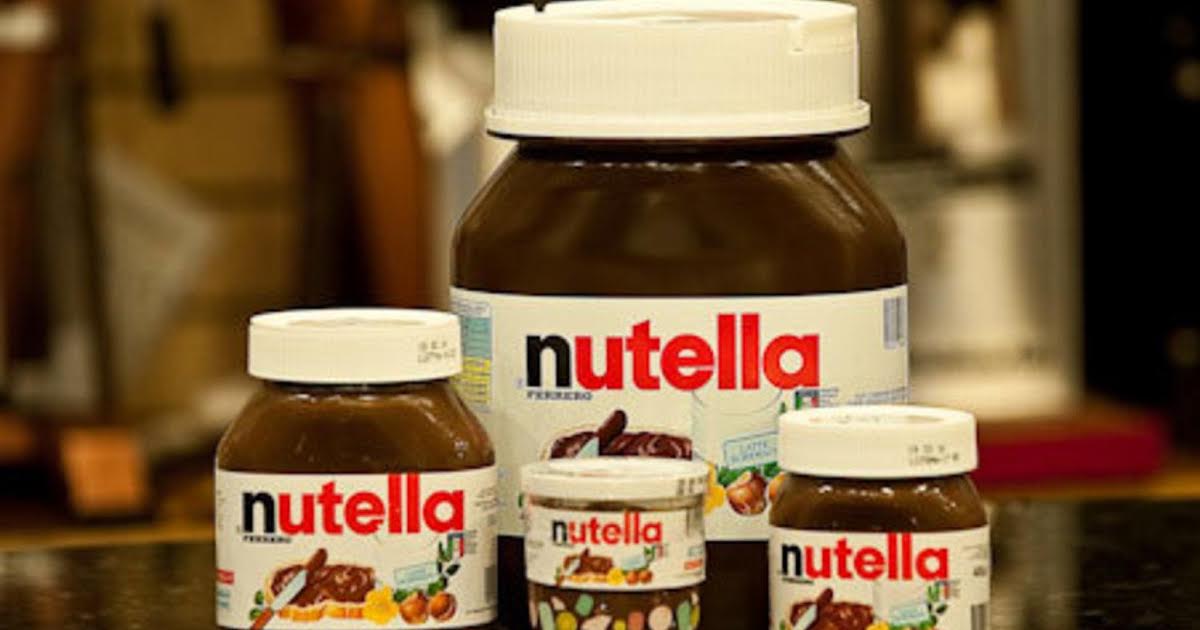
Embarking on the journey of making homemade nutella is a truly rewarding experience. After exploring the foundational recipes and ingredient choices in previous discussions (like those found in homemade nutella - Article 1 and homemade nutella - Article 2), you're now ready to elevate your creation from simply delicious to absolutely extraordinary. This article delves deeper into advanced techniques, flavor variations, troubleshooting common issues, and maximizing the enjoyment of your artisan chocolate hazelnut spread. Prepare to transform your kitchen into a gourmet patisserie and impress everyone with your bespoke batches of this beloved spread.
Beyond the Basic Recipe: Elevating Your Homemade Nutella
While the classic combination of hazelnuts, chocolate, sugar, and a touch of oil yields a fantastic homemade nutella, there's a whole world of possibilities waiting to be explored. Think of your basic recipe as a canvas, ready for your personal artistic touch. Experimenting with different types of chocolate, alternative sweeteners, and subtle flavor enhancers can dramatically change the profile of your spread, making it uniquely yours.
Chocolate Choices: Dark, Milk, or White?
- Dark Chocolate: For an intense, sophisticated spread, opt for high-quality dark chocolate (60-75% cacao). This will result in a less sweet, more robust chocolate flavor that truly allows the hazelnut notes to shine.
- Milk Chocolate: If you prefer a sweeter, creamier, and more traditional Nutella-like taste, milk chocolate is your go-to. It melts beautifully and integrates seamlessly, offering that familiar comforting sweetness.
- Combination: Many home chefs find a perfect balance by using a blend of dark and milk chocolate, achieving depth without overwhelming sweetness.
Sweetener Alternatives for Your Homemade Nutella
Beyond granulated sugar, consider these options for a different sweetness profile:
- Maple Syrup or Agave Nectar: These liquid sweeteners impart a subtle flavor and can contribute to a smoother texture. Adjust quantities to taste, keeping in mind they are often sweeter than sugar by volume.
- Coconut Sugar: A less refined option with a slight caramel note, coconut sugar can add a unique depth of flavor.
- Powdered Sugar: Using confectioners' sugar can help achieve an even smoother texture, as it dissolves more readily than granulated sugar.
Subtle Flavor Enhancers and Variations
A pinch of something extra can take your homemade nutella to the next level:
- Sea Salt: A tiny pinch of flaky sea salt can dramatically enhance the chocolate and hazelnut flavors, balancing the sweetness.
- Vanilla Bean Paste or Extract: Good quality vanilla is a game-changer, adding warmth and complexity.
- Coffee Powder/Espresso: A teaspoon of instant espresso powder can deepen the chocolate flavor without making the spread taste like coffee.
- Orange Zest: For a bright, citrusy note, add a touch of finely grated orange zest.
- Chili Flakes: For the adventurous palate, a tiny pinch of dried chili flakes can add a surprising and delightful warmth.
Mastering the Texture: Tips for Silky Smooth Homemade Nutella
The hallmark of an exceptional homemade nutella is its luxurious, velvety texture. Achieving this requires attention to detail, especially during the processing of your hazelnuts. If you’ve ever wondered why your spread isn't as smooth as you'd like, these tips will guide you to perfection.
The Power of Your Processor and Roasting Techniques
- High-Quality Food Processor/Blender: This is arguably the most crucial piece of equipment. A powerful food processor or high-speed blender is essential for breaking down the hazelnuts into a smooth, creamy butter. Lesser models might struggle, leading to a grainy texture.
- Perfect Roasting: Roasting hazelnuts until they are fragrant and slightly darkened (but not burnt!) is key. This enhances their flavor and makes their skins easier to remove. Spread them in a single layer on a baking sheet and roast at 350°F (175°C) for 10-15 minutes.
- Removing Skins: While not strictly mandatory, removing the bitter hazelnut skins significantly contributes to a smoother, purer-tasting spread. After roasting, immediately transfer the hot hazelnuts to a clean kitchen towel, fold it over, and rub vigorously. The friction will help rub off most of the skins. Don't worry if a few stubborn ones remain.
Processing and Emulsification Techniques
- Patience with Hazelnuts: After skinning, process the warm hazelnuts in your food processor for 10-15 minutes, scraping down the sides occasionally. They will go from chopped nuts to a fine meal, then to a thick paste, and finally, release their oils to become a smooth, drippy butter. This transformation is magical and vital for a silky spread.
- Adding Dry Ingredients: Sift your cocoa powder to prevent lumps, then add it along with your chosen sweetener to the hazelnut butter. Process until fully incorporated and smooth.
- Melting Chocolate: Melt your chocolate gently, either in a microwave in 30-second bursts or over a double boiler. Ensure it's smooth and lump-free before adding.
- Slow and Steady Emulsification: With the food processor running, gradually pour in your melted chocolate and any liquid ingredients (oil, vanilla extract, etc.). This slow addition allows everything to emulsify properly, creating a homogeneous, smooth spread.
- Adjusting Consistency: If your spread is too thick, add a tiny bit more neutral oil (like grapeseed or sunflower) or a touch of milk (dairy or non-dairy) until desired consistency is reached. If it's too thin, a bit more melted chocolate or cocoa powder can help, though it's harder to fix this way.
Storage, Shelf Life, and Creative Uses for Your Homemade Nutella
Once you’ve perfected your batch of homemade nutella, you’ll want to know how to store it properly and, of course, enjoy it in countless delicious ways. Unlike its store-bought counterpart, homemade versions typically contain no preservatives, which impacts their shelf life, but makes them all the more fresh and delightful.
Optimal Storage and Shelf Life
- Airtight Container: Always store your homemade nutella in a clean, airtight jar or container. This prevents oxidation and keeps it fresh.
- Room Temperature vs. Refrigeration:
- Room Temperature: If you use a shelf-stable oil (like coconut or grapeseed) and no dairy, your homemade nutella can often be stored at cool room temperature for 1-2 weeks. It will have a softer, more spreadable consistency.
- Refrigeration: For extended shelf life (up to 3-4 weeks), or if your recipe includes any dairy (milk, butter), refrigeration is best. Be aware that it will firm up considerably when chilled. Simply let it sit at room temperature for 30 minutes or gently warm it in a microwave for a few seconds to regain its spreadable consistency.
- Separation: It's common for natural oil separation to occur in homemade spreads. This is perfectly normal! Just give it a good stir before each use.
Creative Culinary Applications
Your homemade nutella is incredibly versatile. Here are just a few ideas to inspire you:
- Classic Spreads: The most obvious, yet always satisfying, use. Slather it on toast, croissants, pancakes, waffles, crepes, or English muffins.
- Baking Bonanza:
- Fillings: Use it as a filling for tarts, cakes, cupcakes, or even homemade donuts.
- Swirls: Swirl it into brownies, blondies, or cheesecakes for an extra layer of flavor.
- Cookies: Incorporate it into cookie dough, or use it as a filling for sandwich cookies.
- Dessert Toppings: Drizzle over ice cream, yogurt, fresh fruit (strawberries, bananas are excellent!), or even oatmeal.
- Beverages: Stir a spoonful into hot milk for an indulgent hot chocolate, or blend it into milkshakes and smoothies.
- Dips: Serve it alongside pretzel sticks, graham crackers, or fruit slices for a delicious snack.
Troubleshooting Common Homemade Nutella Issues
Even with the best intentions, sometimes things don't go exactly as planned. Don't despair! Most common issues with homemade nutella are easily fixable. Here's how to address them:
1. Grainy Texture
This is the most frequent complaint and usually indicates one of two things:
- Insufficient Blending of Hazelnuts: The hazelnuts need ample time to break down and release their oils. If you rushed this step, the nuts won't be fully processed into a smooth butter.
- Fix: Continue processing in your food processor. Add a tablespoon or two of neutral oil (like grapeseed, sunflower, or melted coconut oil) to help the machine along and encourage the nuts to release more oils.
- Undissolved Sugar: If you used granulated sugar and didn't process it enough with the hazelnuts, it might not have fully dissolved.
- Fix: Process longer. If the spread is already too thick, add a bit of oil or milk (dairy/non-dairy) and process until smooth. For future batches, consider using powdered sugar or liquid sweeteners.
2. Too Thick or Too Thin Consistency
- Too Thick: This can happen if you used too much chocolate, not enough liquid (oil/milk), or if the spread has chilled significantly.
- Fix: While still in the food processor, slowly add a tablespoon at a time of neutral oil or milk (dairy or non-dairy) until the desired consistency is reached.
- Too Thin: Usually caused by too much liquid (oil/milk).
- Fix: Add a tablespoon or two of additional melted chocolate (dark chocolate works best for thickening without adding too much sweetness) or unsweetened cocoa powder. Process well to combine. Alternatively, for very thin spreads, you can add a handful of perfectly processed, skin-free hazelnuts to thicken it.
3. Oil Separation
As mentioned in homemade nutella - Article 2 and above, this is completely natural for homemade products without emulsifiers.
- Fix: Simply stir the spread thoroughly with a spoon before each use. If the separation is extreme or the spread is too firm from refrigeration, you can gently warm it in a microwave for 10-15 seconds to soften and make stirring easier.
4. Bitter Taste
A bitter taste can stem from a few sources:
- Over-Roasted Hazelnuts: Burnt hazelnuts will impart a bitter flavor.
- Fix: Unfortunately, this batch might be hard to save. For future batches, monitor roasting carefully.
- Too Much Dark Cocoa/Chocolate: If you used very dark cocoa or high-percentage dark chocolate without balancing it with enough sweetener.
- Fix: Add more sweetener (sugar, maple syrup, etc.) to taste. A pinch of sea salt and a touch of vanilla can also help mellow bitterness.
5. Not "Nutella-Like" Enough
If your homemade nutella tastes good but just doesn't hit that nostalgic Nutella note:
- Fix: Review your hazelnut-to-chocolate ratio (commercial Nutella has a higher sugar/oil content than hazelnuts). Ensure you've added vanilla extract and a tiny pinch of salt. Sometimes, it's about adjusting the sweetness to find that perfect balance. Experiment with different types of chocolate (milk chocolate often gets closer to the commercial taste).
Making homemade nutella is a journey of culinary discovery and personal preference. By understanding the core principles, experimenting with variations, and knowing how to troubleshoot, you can consistently create a truly exceptional chocolate hazelnut spread that's tailored to your taste. Enjoy the process, savor the results, and delight in the knowledge that you've crafted something truly special from scratch!
